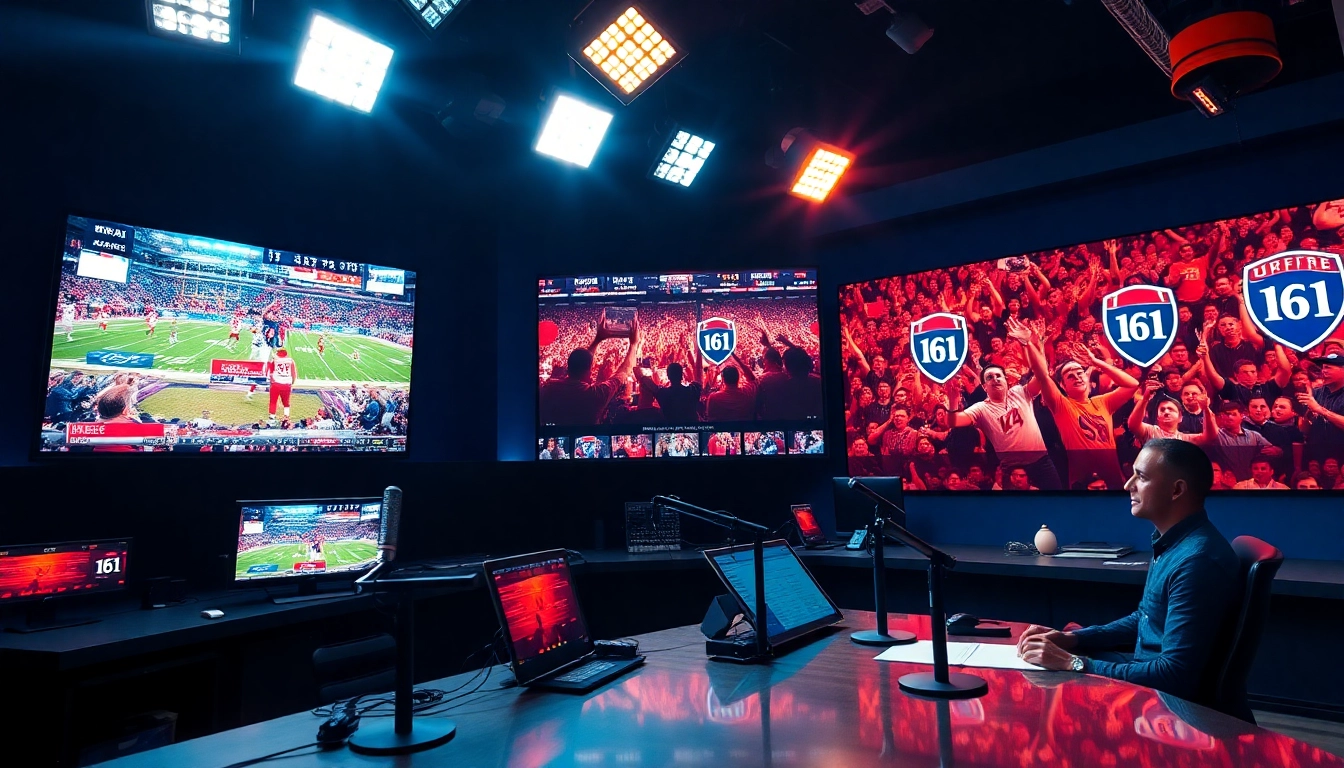
Understanding Sports Broadcasting Fundamentals
In today’s digital age, the Sports Broadcasting landscape is continually evolving, reflecting changes in technology, audience preferences, and industry standards. This comprehensive exploration of sports broadcasting fundamentals provides insights into its history, key elements, and the transformative role technology plays in shaping how sports are consumed.
History of Sports Broadcasting
The roots of sports broadcasting stretch back to the early 20th century when radio became a household medium. The first live sports broadcast occurred in 1921, featuring a boxing match. This pioneering event marked the beginning of a new era, where audiences could listen to live commentary from their homes. As technology progressed, television broadcasts became the norm in the 1950s, bringing sports to a wider audience.
By the 1980s, cable television had introduced specialized sports channels, allowing fans to enjoy year-round coverage of various sports. The explosion of the internet in the late 1990s further revolutionized the field, leading to streaming services that cater to global audiences.
Key Elements of Sports Broadcasting
Effective sports broadcasting hinges on several key elements, each playing a vital role in delivering an engaging viewer experience. These elements include:
- In-depth Analysis: Analysts and commentators provide insights into game strategies, player statistics, and historical context, enriching viewers‘ experience.
- Visual Storytelling: Graphics, replays, and animations help visualize complex plays and enhance understanding.
- Engagement: Maintaining viewer interest through play-by-play commentary, expert interviews, and fan interaction is crucial.
Role of Technology in Sports Broadcasting
Technology has transformed sports broadcasting remarkably, making it more dynamic and interactive. Key technological innovations include:
- High-Definition (HD) and 4K Broadcasts: These formats enhance viewer experience by providing clearer and more vibrant images.
- Drone Cameras: Offer unique aerial perspectives, showcasing game dynamics from angles previously unseen.
- Augmented Reality (AR) and Virtual Reality (VR): Allow fans to immerse themselves in the game, providing interactive experiences that traditional broadcasts cannot.
Creating Compelling Sports Broadcasts
Crafting a compelling sports broadcast requires a blend of art and science, focusing on narrative development, communication techniques, and audience engagement. Each component contributes to a broadcast’s overall effectiveness, ensuring that audiences remain captivated.
Scriptwriting and Storytelling Techniques
Good broadcasts employ effective scriptwriting, which combines factual reporting with storytelling. Broadcasters should aim to create narratives that draw viewers in, utilizing techniques like:
- Character Development: Highlight key players‘ journeys during a season, their challenges, and triumphs to create emotional connections.
- Conflict and Resolution: Illustrate competitive dynamics, enhancing engagement through suspense and expectations.
- Thematic Consistency: Maintain a coherent narrative throughout, ensuring each broadcast aligns with overarching story arcs.
Effective Communication Skills for Broadcasters
Successful communication is vital in sports broadcasting. Broadcasters need to convey information efficiently while engaging with the audience. Important skills include:
- Clarity: Use straightforward language, avoiding jargon unless relevant to the audience.
- Enthusiasm: Convey passion for the sport to captivate viewers. A broadcaster’s energy can significantly influence viewer engagement.
- Adaptability: Be prepared to improvise based on unfolding events during live broadcasts.
Engaging the Audience During Live Events
Audience engagement during live events is essential for retaining viewers. Strategies include:
- Interactive Segments: Utilize social media platforms for live polls or viewer questions to create a sense of community.
- Real-Time Statistics: Provide fans with up-to-date analytics and game stats, making broadcasts more informative.
- Highlight Reels: Show real-time highlights and significant moments to keep viewers updated and enthralled.
Current Trends in Sports Broadcasting
The sports broadcasting industry is experiencing a seismic shift as new trends emerge, driven largely by technology and changing viewer preferences.
Impact of Streaming Services on Sports Broadcasting
Streaming services have profoundly impacted how sports are consumed, allowing viewers more flexibility than traditional cable packages. Factors influencing this evolution include:
- On-Demand Viewing: Fans can watch their favorite events at their convenience.
- Global Accessibility: Streaming platforms allow users from different countries to access content that may not be available locally.
- Customized Content: Services can offer tailored experiences based on viewer preferences, making sports consumption more personal.
Emerging Technologies in Live Coverage
Emerging technologies continue to enhance live sports coverage. Notable developments include:
- Artificial Intelligence (AI): AI simplifies data analysis and can enhance commentary by providing deeper insights.
- Enhanced Graphics: Innovations in graphical representation make broadcasts more visually appealing and informative.
- Mobile Streaming: Allows viewers to watch live events on their devices, fostering a new culture of on-the-go consumption.
Interactive Features Enhancing Viewer Experience
Interactive features are crucial for enhancing viewer experience. They include:
- Viewer Control: Options allowing viewers to choose camera angles or commentators cater to personal preferences.
- Social Media Integration: Enables real-time discussions and viewer interaction, enriching the overall experience.
- Gamification: Engaging viewers through fantasy leagues or predictions adds an immersive element to broadcasts.
Challenges in Sports Broadcasting
Despite its evolution, sports broadcasting faces several challenges that broadcasters must navigate to remain relevant and effective.
Dealing with Technical Difficulties
Technical issues can disrupt broadcasts, frustrating both viewers and teams. Strategies for mitigating these challenges include:
- Regular Maintenance: Keeping equipment in good condition can minimize technical failures.
- Backup Plans: Establish emergency protocols, such as switching to backup feeds if technical issues arise.
- Training Personnel: Invest in training for team members to troubleshoot common issues effectively.
Ethical Considerations in Sports Broadcasting
Ethical issues, such as bias and fair representation, play a significant role in sports broadcasting. Best practices to uphold ethics include:
- Fact-Checking: Ensure all information presented is accurate and well-sourced.
- Balanced Commentary: Provide a fair representation of all teams and players, avoiding favoritism.
- Transparency: Be open about sponsorships and partnerships influencing broadcast content.
Adapting to Changing Audience Preferences
Understanding and adapting to shifting audience preferences is critical. Techniques for adapting include:
- Audience Research: Conduct surveys to glean insights into viewer preferences and adjust content accordingly.
- Diversity of Content: Include a variety of sports and segments to appeal to broader audiences.
- Engagement with New Platforms: Explore and utilize emerging social media channels to reach younger audiences.
Evaluating Sports Broadcasting Performance
To ensure continuous improvement and success, evaluating performance is essential. This consists of monitoring metrics and employing feedback loops to refine broadcasting strategies.
Key Metrics for Success in Sports Broadcasting
Success in sports broadcasting can be gauged using several key performance indicators (KPIs), such as:
- Viewership Ratings: Monitor audience size and engagement levels during live broadcasts.
- Demographics: Understand audience demographics to tailor content effectively.
- Social Media Engagement: Track interactions and responses on social media platforms to gauge audience sentiment.
Feedback and Improvement Strategies
Incorporating feedback is crucial for improvement. Broadcasters should:
- Solicit Viewer Feedback: Engage audiences through polls or surveys to get insights into their experiences.
- Analyze Performance Data: Regularly review KPIs to identify strengths and areas for improvement.
- Continuous Learning: Foster an environment of ongoing education within broadcasting teams to stay current with trends.
Case Studies: Successful Broadcasting Examples
Examining successful case studies can offer valuable insights. Notable examples include:
- Innovative Coverage: A network that successfully integrated real-time analytics and fan engagement apps into their broadcast.
- Community-Involved Events: A sports channel that leveraged viewer participation in determining event features and content.
- Diverse Narratives: A broadcast that achieved success by highlighting lesser-known athletes and teams, drawing in new audiences.
FAQs about Sports Broadcasting
What is the primary purpose of sports broadcasting?
The primary purpose of sports broadcasting is to deliver live sports events and related content to an audience, enhancing viewer engagement through commentary, analysis, and storytelling.
How has technology changed sports broadcasting?
Technology has introduced high-definition broadcasts, interactive features, and instant analytics, transforming how audiences experience and engage with sports events.
Why is audience engagement important in broadcasting?
Audience engagement keeps viewers interested and invested in the content, promotes community interaction, and enhances overall viewer satisfaction.
What challenges do broadcasters face?
Broadcasters often encounter technical difficulties, ethical dilemmas, and changing viewer preferences, which require adaptive strategies to address effectively.
How can broadcasters evaluate their performance?
Broadcasters can evaluate performance by analyzing viewership ratings, audience demographics, and social media engagement, allowing for targeted improvements.