
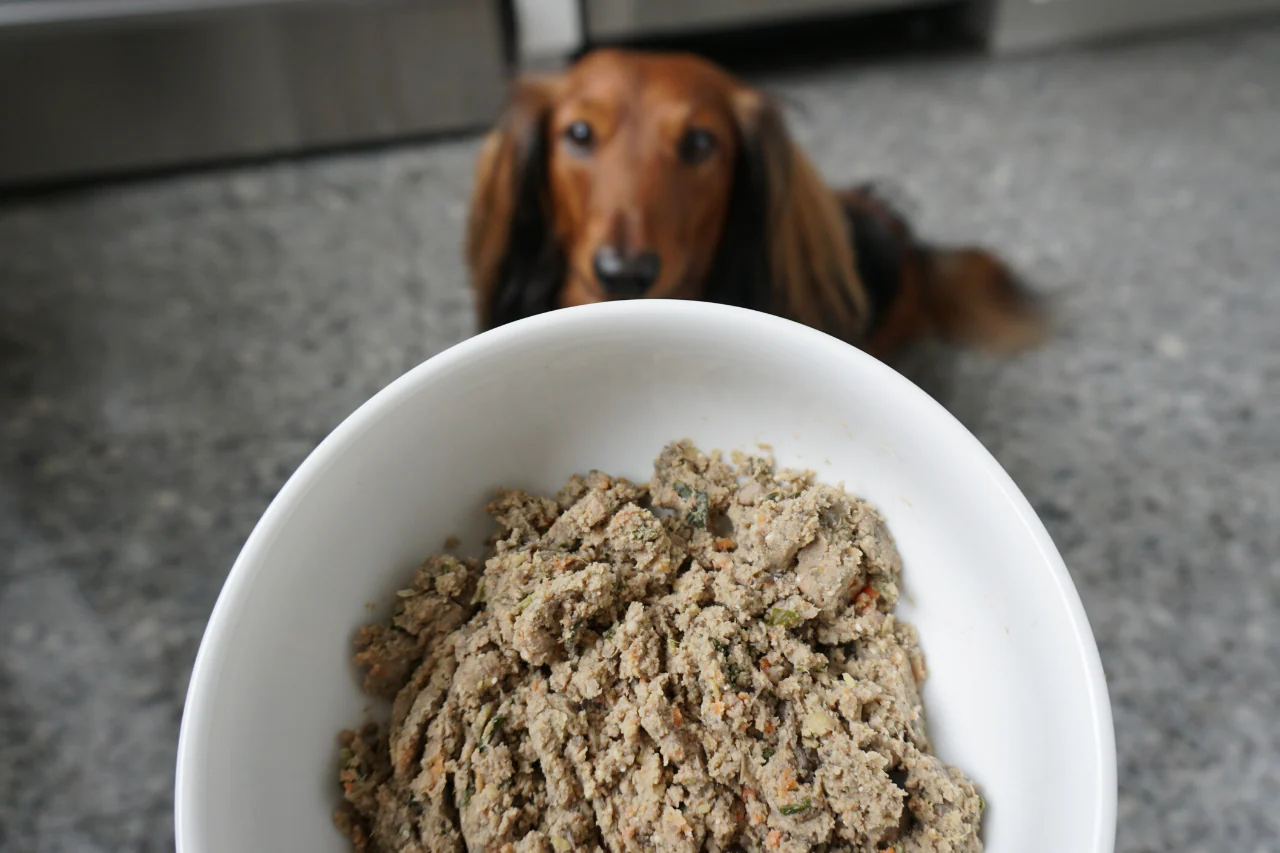
Keeping your dog healthy should not be confusing, especially when it comes to food. Many pet owners are switching from dry kibble to fresh meal plans like The Farmer’s Dog. But the first question most people ask is simple: What is Farmer’s dog pricing, and is fresh dog food worth it?
This article takes a deep dive into costs, value, and real-life examples so you can decide if this type of food makes sense for your budget. We will look at how the pricing works, what you get for the money, where costs can add up, and whether switching provides real benefits for dogs.
- What Makes Farmer’s Dog Different?
- Understanding Farmer’s Dog Pricing
- Why Is Farmer’s Dog Pricing Higher Than Kibble?
- Comparing Farmer’s Dog Pricing to Long-Term Vet Costs
- Real-Life Case Study
- Factors That Affect Farmer’s Dog Pricing Month to Month
- Smart Tips for Saving on Fresh Dog Food
- Farmer’s Dog Pricing vs. Other Fresh Food Brands
- Is Farmer’s Dog Worth the Money?
- Pros and Cons of Farmer’s Dog Pricing
- How Farmer’s Dog Pricing Works When Ordering
- Customer Feedback on Farmer’s Dog Pricing
- Frequently Asked Questions
What Makes Farmer’s Dog Different?
The Farmer’s Dog offers fresh, human-grade meals delivered to your door instead of processed kibble. Their goal is to make healthy feeding easier while giving dogs food closer to what humans eat. Many families like the brand because it takes the guesswork out of dog nutrition, but the cost is higher than regular dry food.
Key features of fresh food plans:
- Human-grade ingredients
- Made without fillers or artificial preservatives
- Pre-portioned meal packs
- Delivered on a schedule
- Plans customized to your dog’s size and activity level
One reason Farmer’s dog pricing seems high is that the company uses real meat, vegetables, and balanced nutrients. It is closer to a healthy homemade meal than factory dog food.
Understanding Farmer’s Dog Pricing
Farmer’s dog pricing depends on three main things:
- Your dog’s weight
- Your dog’s age and activity level
- The recipes you choose
Most small dogs can expect to cost less than large dogs because they eat fewer calories. An 8-pound dog might eat about one-quarter of what a 70-pound dog eats.

Average Pricing Estimates
While prices change based on location and dog size, here are common examples people share:
- Small dogs (5–15 lbs): around $2–$4 per day
- Medium dogs (20–50 lbs): around $6–$10 per day
- Large dogs (60+ lbs): $10–$16 per day
This means a month of fresh food could cost anywhere from $60 to over $400. That might sound shocking at first, but it is important to understand why.
Why Is Farmer’s Dog Pricing Higher Than Kibble?
Dry dog food is mass-produced, shipped in big bags, and can sit on shelves for months. Farmer’s Dog meals are cooked fresh, packaged carefully, and delivered cold. The process is slower, ingredients cost more, and shipping is expensive.
Some of the biggest reasons fresh food pricing is higher include:
- Real whole meats like turkey, beef, or chicken
- Ingredients fit for human consumption
- Recipes designed by vets and nutrition specialists
- No preservatives, coloring, or fillers
- Cold packaging and fast delivery
In simple terms, you are paying for freshness, quality, and convenience.
Comparing Farmer’s Dog Pricing to Long-Term Vet Costs
One way to think about Farmer’s dog pricing is to compare it with future health expenses. Poor nutrition can lead to problems like skin allergies, obesity, and digestion issues. These health problems can create expensive vet visits later.
Example Comparison
- Cheap kibble: $25–$50 per month
- Fresh meals: $60–$300+ per month
- Vet care for chronic issues: $200–$1,000+ per year
Some dog owners say their dogs stop having stomach upset, itching, and gas once they switch to fresh food. While every dog is different, the idea is that better food may lower health problems later.
Real-Life Case Study
Imagine a dog named Milo, a 4-year-old beagle. Milo ate regular kibble for years, and his owner noticed he scratched his ears constantly and sometimes skipped meals. After switching to fresh food, Milo ate more regularly and stopped scratching as much.
Milo’s owner now spends about $90 per month on Farmer’s Dog instead of $30 on kibble. That is an extra $60 monthly, but they saved money on repeated allergy medicine and extra vet visits. For that family, switching was worth it financially and emotionally.
Factors That Affect Farmer’s Dog Pricing Month to Month
Dog Size
Large dogs cost more because they require more calories and food weight.
Flavor Choices
Some recipes use pricier ingredients. For example, turkey might cost more than chicken.
Subscription Frequency
Longer deliveries can sometimes save money compared to weekly shipments.
Portions and Feeding Recommendations
If the vet changes your dog’s meal size, your price may change too.
Smart Tips for Saving on Fresh Dog Food
Fresh food does not have to break your budget. Many pet owners mix strategies to lower the cost while keeping quality high.
Try the following ideas:
- Half fresh, half kibble: Stretch meals while keeping nutrition benefits
- Pick the cheapest recipes: Chicken is often less expensive
- Stick to automatic delivery: Usually the best pricing
- Compare brands: Some companies offer coupons or trial deals
A popular method is 50/50 feeding. It helps your dog enjoy fresh food while reducing monthly costs.
Farmer’s Dog Pricing vs. Other Fresh Food Brands
There are several fresh pet food brands available today. Pricing is similar among most companies, but differences show up in shipping costs, recipe options, and quality.
General comparison points:
- Ingredient sourcing
- Portion sizes
- Packaging style
- Amount of vegetables vs. meat
- Availability of promotional discounts
Even if brands seem alike, small details may affect how much you spend each month.
Is Farmer’s Dog Worth the Money?
Deciding if Farmer’s Dog is worth it depends on what matters most for your dog and your budget. Some people want the best food available, while others want basic nutrition at the lowest cost.
Fresh food is worth it if:
- Your dog has digestive issues
- You want human-grade ingredients
- You value convenience
- You want fewer preservatives and fillers
Fresh food might not be worth it if:
- You have a very large dog and a tight budget
- You do not need special nutrition options
- Your dog already does well on regular kibble
There is no single right answer. Every family must make the decision based on their financial situation and their dog’s needs.
Pros and Cons of Farmer’s Dog Pricing
Pros
- High quality ingredients
- Faster digestion
- Smaller and healthier poops
- Clear labeling and feeding directions
- Great customer service
Cons
- Higher cost than most kibble
- Requires freezer space
- Delivery schedules must be managed
- Not ideal for families on a strict budget
How Farmer’s Dog Pricing Works When Ordering
When you visit the company website, you answer questions about your dog such as:
- Age
- Weight
- Breed
- Activity level
Their system then calculates how much food your dog needs and recommends a plan. You receive a price estimate instantly. This helps you decide whether you want to continue before paying.
Example questions:
- “Is your dog picky?”
- “Does your dog have allergies?”
- “How active is your dog?”
All these questions change the recommended amount of food and therefore the cost.
Customer Feedback on Farmer’s Dog Pricing
Many customers talk about pricing online, especially in reviews and pet owner forums. Some common comments include:
- “It is expensive, but my dog is healthier.”
- “I wish shipping was cheaper.”
- “We use half fresh and half dry to save money.”
- “Our vet recommended switching and the results were noticeable.”
Hearing from other pet owners can help you make a confident decision.
FAQs
Frequently Asked Questions
How often does Farmer’s Dog deliver food?
Deliveries usually arrive every 2 to 8 weeks depending on how much food your dog needs. The company gives tracking updates so you know when the box will arrive.
Can I cancel my subscription anytime?
Yes, you can pause, skip, or cancel your plan at any time. You do not have to sign a contract, so you are free to stop whenever you want.
Is Farmer’s Dog good for dogs with allergies?
Many people report improvements with allergy symptoms, but results vary. Fresh food uses simple ingredients, which makes it easier to avoid triggers compared to mixed kibble formulas.
Conclusion
Farmer’s dog pricing is higher than regular kibble, but many dog owners believe the benefits are worth the cost. Fresh food can support better digestion, fewer allergies, and overall energy improvement. It may also reduce long-term vet bills because it provides balanced nutrients without additives or fillers.
Before you switch, consider your dog’s size, health needs, and your monthly budget. You can also try a trial box or mix fresh food with dry food to help control spending. The best feeding plan is one that fits your dog’s needs and keeps them healthy, happy, and energetic.
If you want quality, convenience, and premium ingredients, investing in a fresh food subscription may be a smart choice. Taking the time to understand Farmer’s dog pricing helps you make a well-informed decision that supports your pet’s long-term health. Whether you’re a beginner or an expert, start from our homepage for best results.


